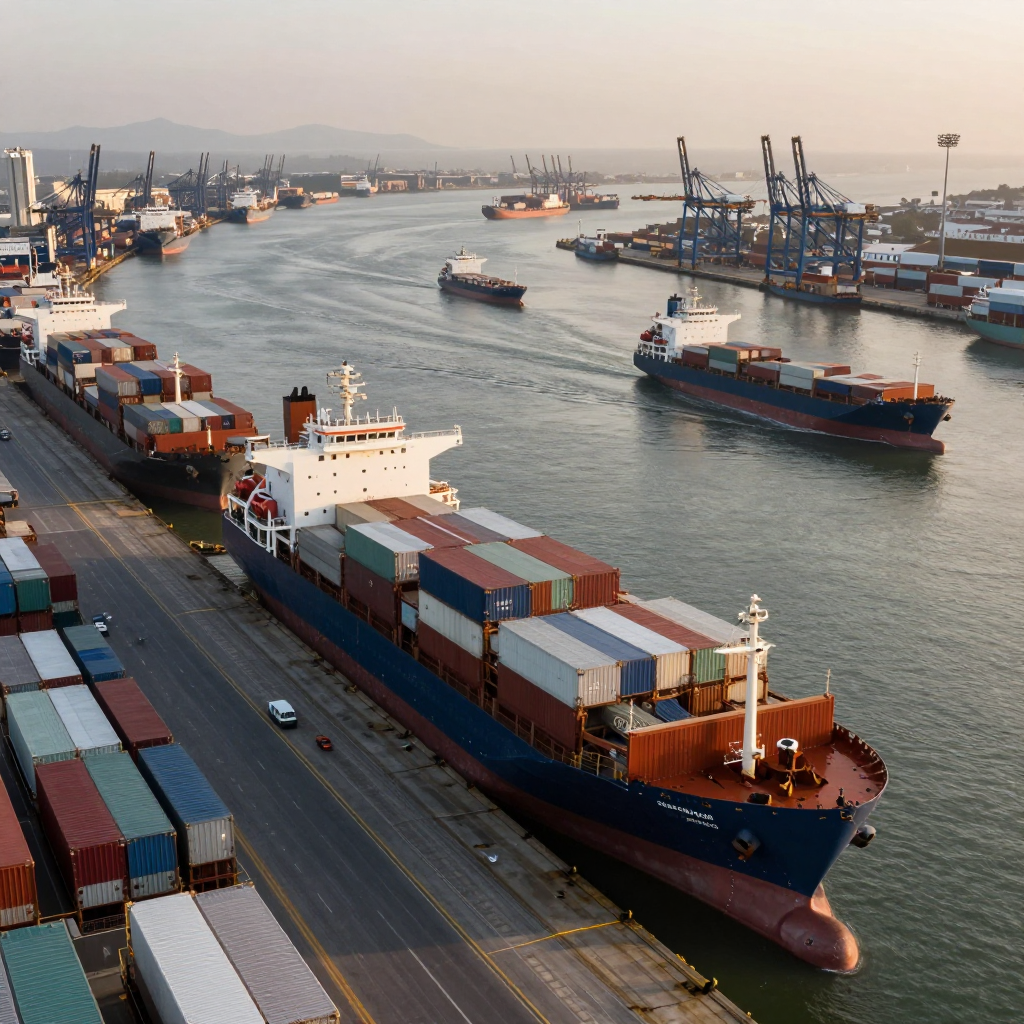
As Mercosur continues to navigate its evolving role in global trade, Paraguay's position within the bloc remains a focal point for regional and international business interests. The South American trade bloc, comprising Argentina, Brazil, Uruguay, and Paraguay, has long been a cornerstone of regional economic integration. However, recent discussions about potential expansion and the bloc's alignment with global trade agreements have raised questions about Paraguay's future role and economic strategies.
Paraguay, known for its abundant natural resources and strategic location, has historically relied on its membership in Mercosur to access regional markets. The country's economy is heavily dependent on exports of soybeans, beef, and wood products, which are facilitated by the bloc's trade agreements. Analysts suggest that Paraguay's ability to maintain its economic competitiveness within Mercosur will depend on its capacity to adapt to changing trade dynamics and regional political shifts.
One of the key challenges facing Paraguay is the potential for Mercosur's expansion to include new members, such as Chile and potentially even non-South American countries. While such expansion could increase market access, it may also introduce new competition and regulatory complexities. Paraguay's government has expressed interest in maintaining its current trade relationships while seeking opportunities for deeper regional integration.
In addition to trade, diplomatic relations within Mercosur have also been a subject of discussion. Brazil, the bloc's largest economy, has played a dominant role in shaping Mercosur's policies, which has led to concerns among smaller member states about equitable representation. Paraguay, along with Uruguay, has often called for greater balance in decision-making processes within the bloc.
As Mercosur moves forward, Paraguay's ability to navigate these challenges will be crucial for its economic growth and regional influence. The country's business community is closely monitoring developments, with many stakeholders advocating for policies that promote stability, market access, and long-term investment. The coming months will be critical in determining how Paraguay positions itself within the evolving Mercosur landscape.