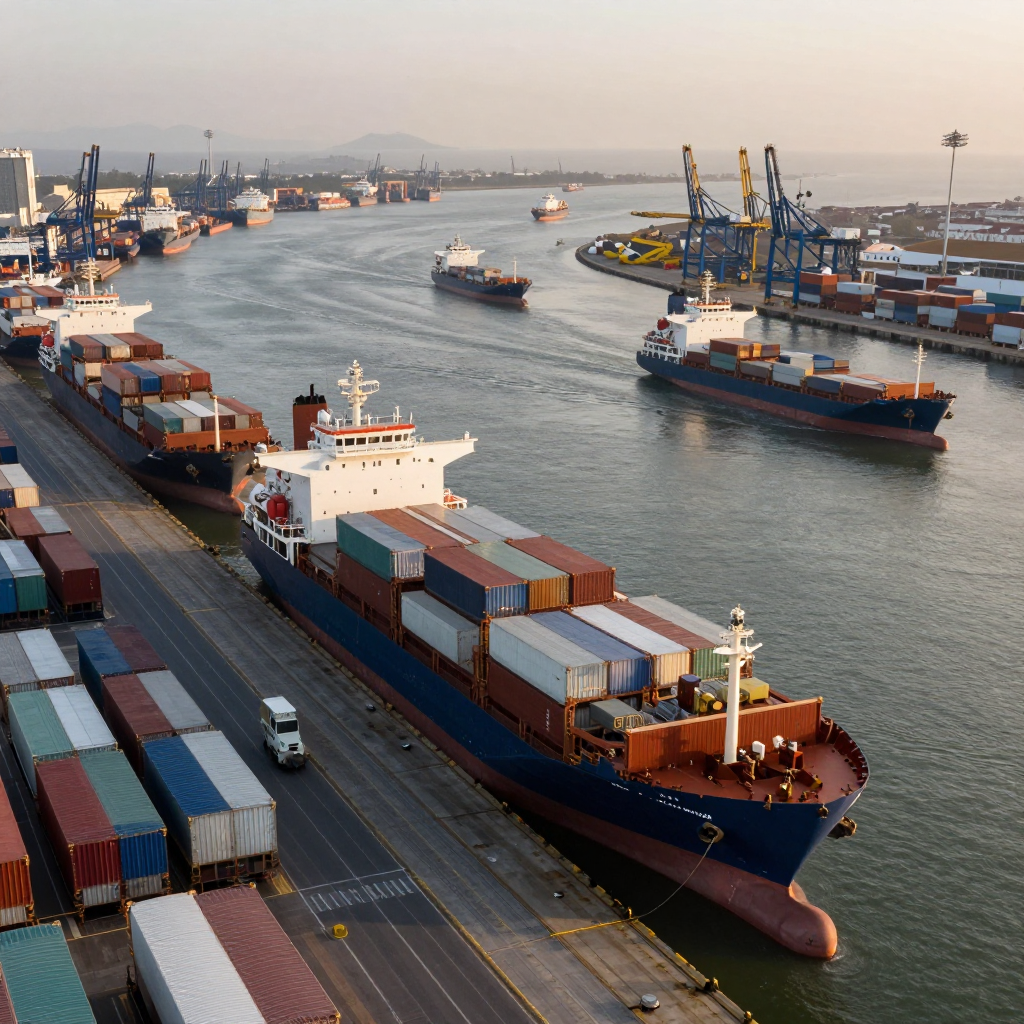
As the Mercosur bloc continues to evolve, Paraguay finds itself at a pivotal juncture in its economic strategy. The Southern Common Market, which includes Argentina, Brazil, Uruguay, and now potentially Venezuela, is exploring ways to enhance regional trade and investment flows. For Paraguay, a country heavily reliant on agricultural exports, this expansion presents both opportunities and challenges. Analysts suggest that deeper integration within Mercosur could lead to more stable trade relationships and access to larger markets, particularly in the context of global supply chain disruptions and shifting trade dynamics.
Paraguay's economy, which is heavily dependent on soybean and beef exports, stands to benefit from increased regional cooperation. The country has long been a key player in Mercosur's agricultural sector, and the bloc's focus on reducing trade barriers could help Paraguay secure better prices and more favorable terms for its exports. However, the country also faces internal challenges, including infrastructure limitations and the need for modernization in its agricultural sector to meet growing global demand.
The potential inclusion of Venezuela into Mercosur has sparked discussions about the bloc's future direction. While Venezuela's membership could expand the bloc's economic footprint, it also raises concerns about political stability and the reliability of trade partnerships. Paraguay, which has maintained a cautious approach to regional politics, may need to balance its economic interests with its diplomatic relationships within the bloc.
In addition to trade, Mercosur's expansion could lead to increased investment in infrastructure and technology, which could benefit Paraguay's long-term economic development. However, the country must navigate the complexities of regional integration while maintaining its own economic priorities. As Mercosur continues to evolve, Paraguay's ability to adapt and leverage its position within the bloc will be crucial to its economic future.