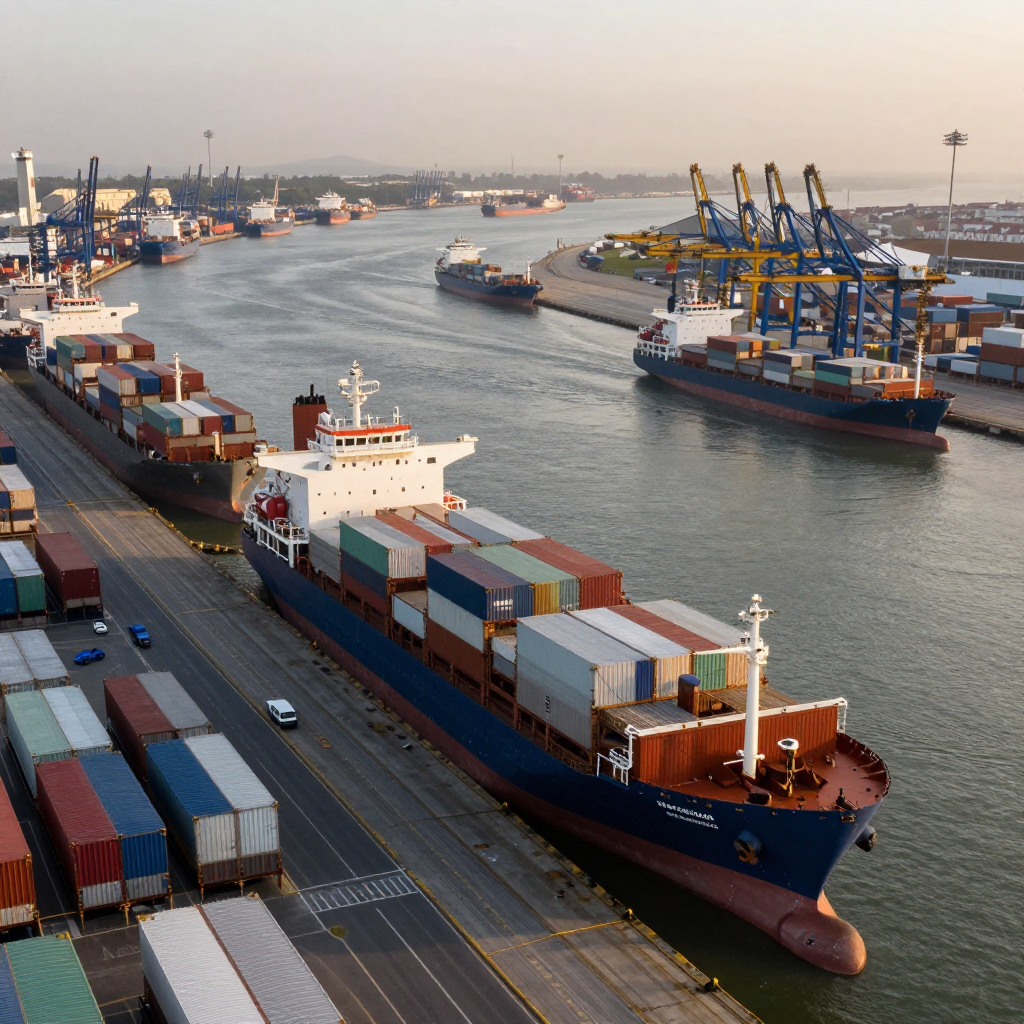
Recent diplomatic discussions among Mercosur member states have indicated a growing interest in expanding the bloc's trade agreements to include new participants. While no formal decisions have been made, analysts suggest that this development could have significant implications for Paraguay's economy, which relies heavily on regional trade. As a key member of Mercosur, Paraguay has long sought to strengthen its economic ties with neighboring countries, particularly in the context of global trade tensions and shifting supply chain dynamics.
Mercosur, established in 1991, remains a critical platform for regional economic integration in South America. Paraguay, with its strong agricultural exports and strategic position within the bloc, has consistently advocated for deeper regional cooperation. The potential inclusion of new members could open new markets for Paraguayan products, particularly in agriculture and renewable energy. However, the process of expanding the bloc is complex, involving negotiations on trade liberalization, regulatory harmonization, and market access.
Paraguay's economy is closely tied to Mercosur, with over 60% of its exports destined for other member countries. The country's agricultural sector, which includes soybeans, beef, and cotton, is particularly sensitive to regional trade policies. Analysts suggest that a broader Mercosur could enhance Paraguay's bargaining power in global trade negotiations and provide greater stability for its export-oriented industries.
Despite the potential benefits, Paraguay faces challenges in ensuring that any expansion of Mercosur aligns with its economic interests. The country must navigate political and economic differences among member states while advocating for its own priorities. Additionally, the global shift towards free trade agreements outside of Mercosur, such as the Comprehensive and Progressive Agreement for Trans-Pacific Partnership (CPTPP), presents both opportunities and risks for Paraguay's trade strategy.
As Mercosur continues to evolve, Paraguay's role as a key player in the bloc remains crucial. The country's ability to adapt to changing trade dynamics and leverage its regional position will determine its success in the global economy.