In recent months, Paraguay has been actively engaging in discussions aimed at strengthening its role within Mercosur, the South American economic bloc. Analysts suggest that the bloc's potential expansion could offer significant trade opportunities for Paraguay, particularly in sectors such as agriculture and energy. As a key member of the bloc, Paraguay has long relied on regional cooperation to diversify its export markets and reduce dependency on traditional trade partners.
Paraguay's economic strategy has increasingly focused on leveraging its strategic location and natural resources to attract foreign investment and enhance trade relations. The country's agricultural sector, which includes soybeans, beef, and corn, is a major contributor to its economy and a key export commodity. With Mercosur's ongoing efforts to modernize its trade agreements and promote regional integration, Paraguay stands to gain from increased market access and reduced trade barriers within the bloc.
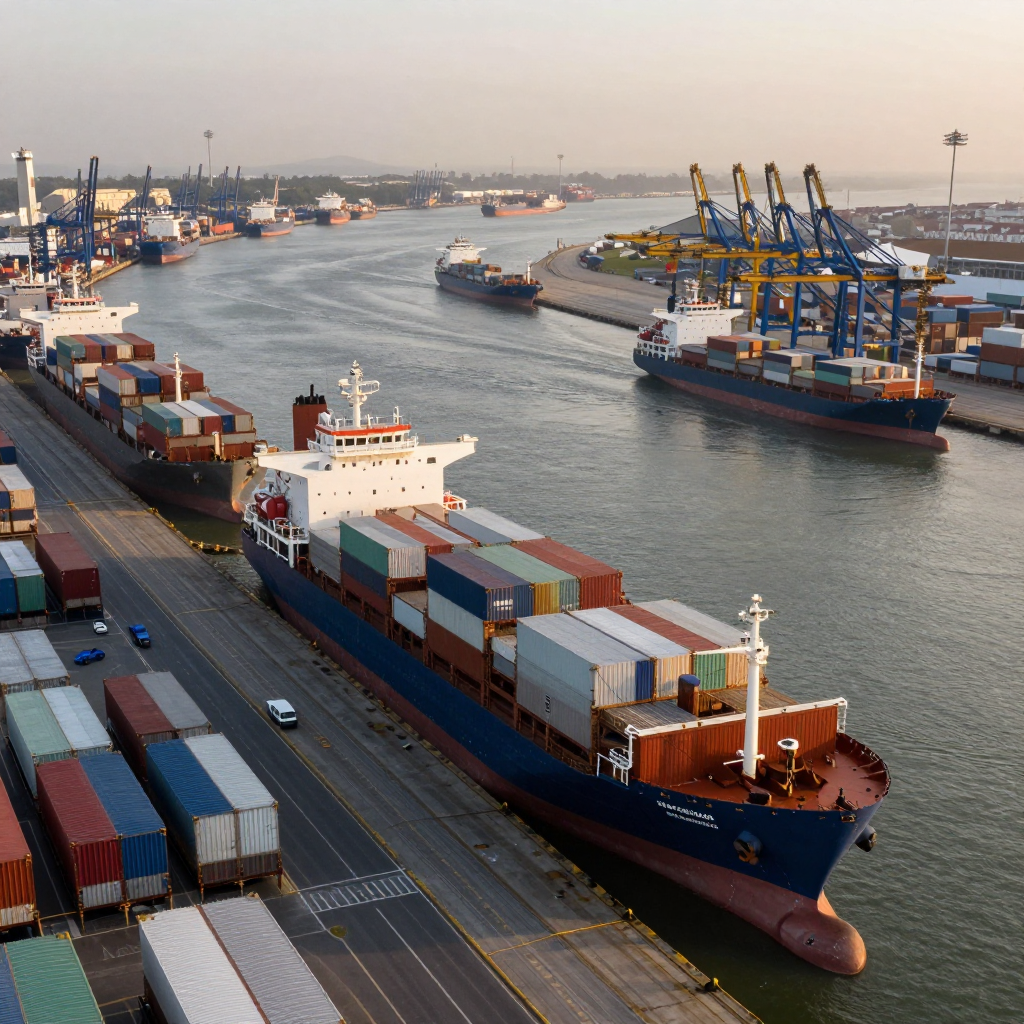
The government has also been working to improve infrastructure and logistics, which are critical for enhancing trade efficiency. Investments in transportation networks, including the expansion of the Itaipu Dam and the development of new highways, are seen as essential for supporting long-term economic growth. These initiatives align with broader regional goals to enhance connectivity and promote sustainable development across Mercosur.
Despite these positive developments, challenges remain. Paraguay's economy is still vulnerable to external shocks, including fluctuations in global commodity prices and geopolitical tensions. Analysts caution that while Mercosur expansion could provide new opportunities, it will require continued political stability and economic reforms to fully capitalize on the potential benefits.
As the bloc continues to evolve, Paraguay's ability to adapt and innovate will be crucial in ensuring that it remains a competitive player in the regional and global markets. The country's commitment to regional cooperation and economic diversification positions it well to navigate the complexities of international trade in the years ahead.