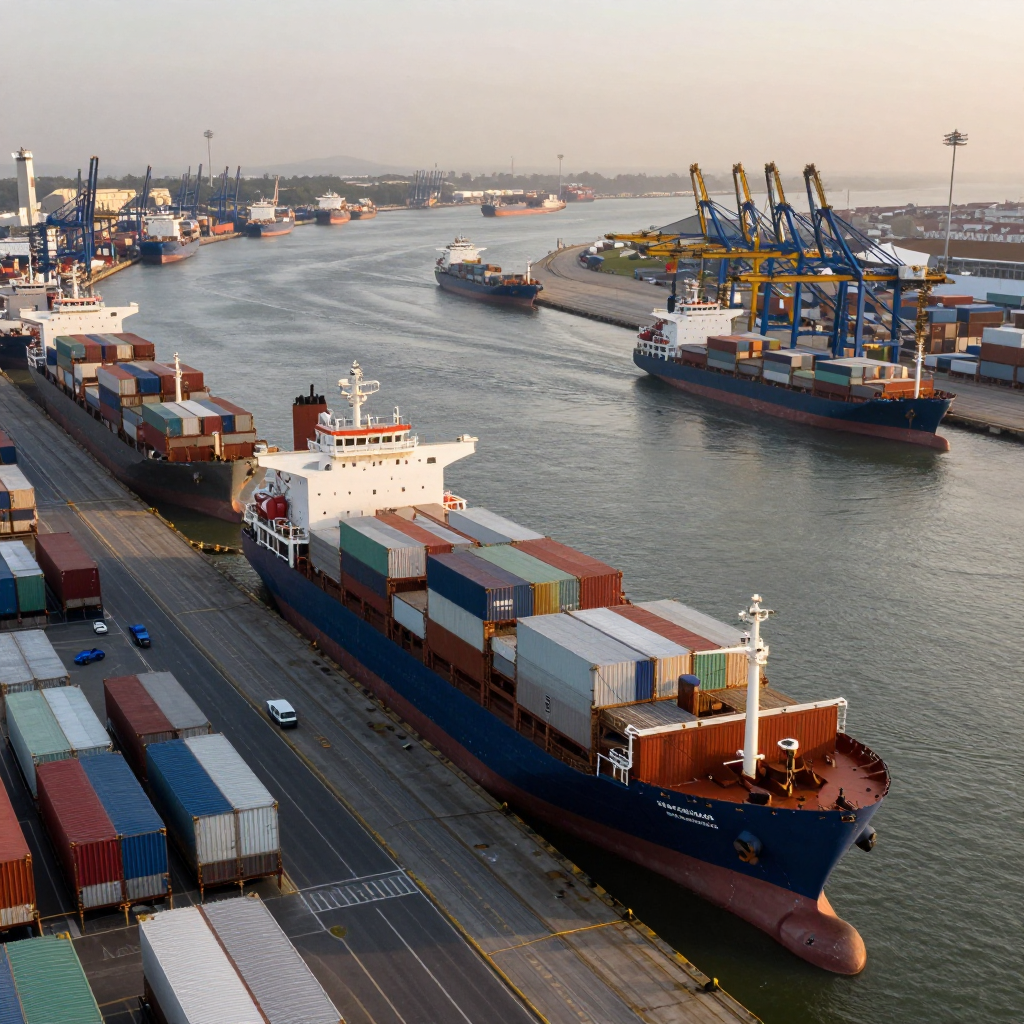
In recent months, Mercosur has been actively exploring ways to expand its economic influence beyond its traditional member states. This strategic move has sparked discussions about the potential benefits for Paraguay, a key member of the bloc. While the details of the expansion remain under negotiation, analysts suggest that Paraguay could see increased trade opportunities with new members and partners in the coming years.
Mercosur, comprising Argentina, Brazil, Uruguay, and Paraguay, has long been a cornerstone of regional economic integration in South America. However, the bloc has faced challenges in maintaining cohesion and addressing the diverse economic interests of its members. The recent push for expansion aims to address these challenges by attracting new members and enhancing the bloc's global competitiveness.
For Paraguay, a country with a relatively small economy but significant agricultural resources, the potential benefits of Mercosur expansion are substantial. The country's exports, particularly in soybeans, beef, and other agricultural products, could see increased demand if the bloc successfully integrates new members and expands its trade networks. Additionally, Paraguay's strategic location and infrastructure could position it as a regional logistics hub, further boosting its economic prospects.
Despite the potential benefits, there are also concerns about the challenges of integration. Paraguay's economy remains vulnerable to external shocks, and the country's reliance on primary commodities makes it susceptible to global market fluctuations. Analysts suggest that Paraguay must focus on diversifying its economy and strengthening its domestic industries to fully capitalize on the opportunities presented by Mercosur expansion.
The international business community is closely watching the developments within Mercosur. As the bloc continues to evolve, its impact on regional trade and economic relations will likely be significant. For Paraguay, the path forward will depend on its ability to navigate the complexities of regional integration while maintaining its economic stability and growth.