In the face of global economic uncertainty, Mercosur members are increasingly focusing on deepening regional economic integration as a means to enhance resilience and competitiveness. Paraguay, a key player in the bloc, has been actively pursuing trade agreements that could bolster its agricultural exports and diversify its markets. The country's strategic position as a major producer of soybeans, beef, and other commodities positions it well to benefit from expanded regional cooperation. However, the path to greater economic integration is not without challenges, as political and regulatory differences among member states continue to pose obstacles. Analysts suggest that Paraguay's ability to navigate these complexities will be crucial in shaping the bloc's future. The government has emphasized the importance of maintaining strong diplomatic ties with other regional partners, including Brazil and Argentina, to ensure the stability of trade flows. Paraguay's participation in Mercosur has historically been a cornerstone of its economic policy, and recent initiatives to modernize trade regulations and streamline customs procedures indicate a commitment to fostering a more integrated regional market. While the global trade landscape remains volatile, Paraguay's focus on regional cooperation offers a pathway to sustained growth and stability. As the bloc continues to evolve, the role of Paraguay in shaping its economic direction will remain a key point of interest for international business readers. The country's success in balancing domestic priorities with regional commitments will be a critical factor in determining the long-term viability of Mercosur as a major economic bloc.
Mercosur Expands Trade Ties Amid Global Uncertainty
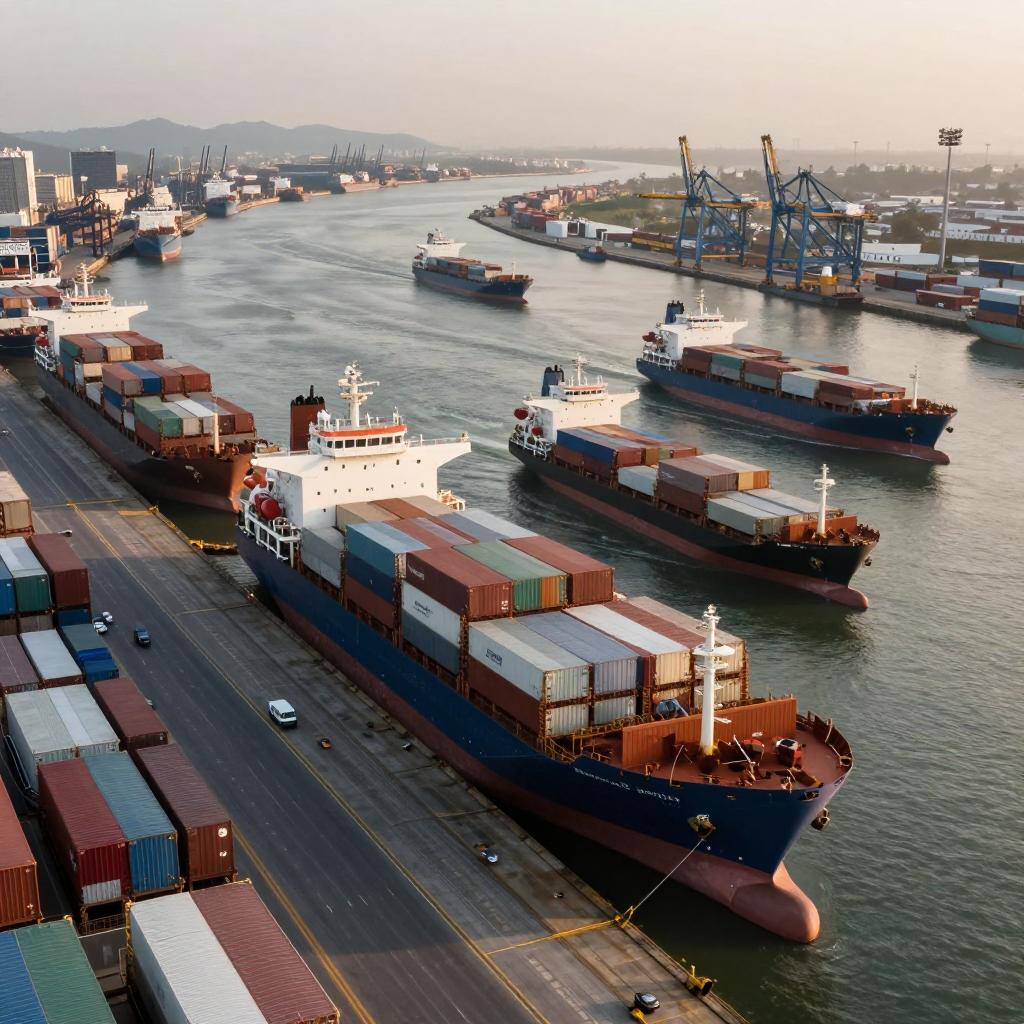
Mercosur members are seeking to strengthen regional economic integration. Paraguay aims to leverage its agricultural exports to secure new trade opportunities.