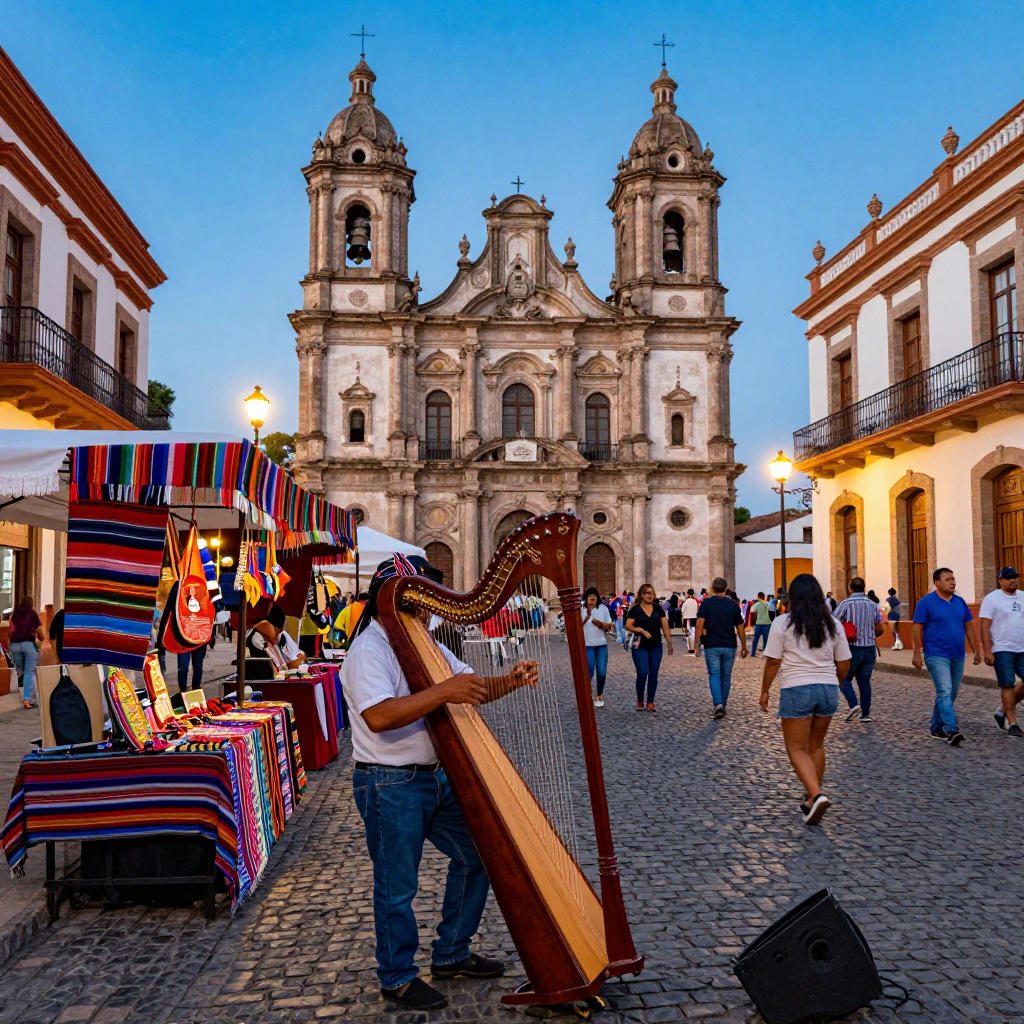
Asunción, Paraguay — In recent years, Paraguay has been undergoing a transformative cultural renaissance that promises to not only preserve its historical roots but also open up new avenues for economic growth, particularly in the realms of tourism and creative industries. Analysts suggest that these developments could have significant implications for foreign investors interested in the dynamic Mercosur region.
At the heart of this cultural revitalization are efforts to modernize and showcase traditional Paraguayan artistic expressions, such as the iconic harp music of the Chaco region and the intricate textile artistry of indigenous communities. The government, in collaboration with non-profit organizations, has launched several initiatives to support local artists and promote their work both domestically and internationally. These programs include funding for cultural festivals, exhibitions, and digital platforms that allow global audiences to experience Paraguayan culture firsthand.
One of the most notable developments is the reinvigoration of Asunción’s historic downtown area, known as the “Ciudad Vieja.” This initiative involves restoring architectural landmarks, such as the Palacio de Justicia, and creating pedestrian-friendly zones that highlight the city’s colonial heritage. The transformation aims to position Asunción as a key destination for cultural tourism, attracting visitors from across Mercosur and beyond. According to the Ministry of Culture, this project alone could generate millions in revenue for local businesses and contribute to the broader tourism sector.
Education and cultural exchange programs are also playing a pivotal role in Paraguay’s cultural development. Universities and educational institutions are increasingly offering courses focused on preserving and teaching indigenous languages, such as Guaraní, which is one of the official languages of Paraguay. This focus on linguistic preservation is seen as a strategic move to strengthen cultural identity and attract scholars and researchers from abroad. The potential for academic collaborations and cultural exchanges could further bolster Paraguay’s reputation as a hub for diverse, cross-cultural dialogue.
The tourism industry, already a significant contributor to Paraguay’s economy, stands to benefit greatly from these cultural advancements. Historically, Paraguay has relied heavily on agricultural exports; however, diversifying into tourism and related sectors could provide much-needed stability and growth. International business experts believe that the combination of rich cultural offerings and political stability within Mercosur makes Paraguay an attractive market for investments in hospitality, cultural tourism, and creative industries.
While challenges remain, including infrastructure limitations and the need for increased marketing efforts, the ongoing cultural initiatives reflect a promising trend toward economic diversification. As Paraguay continues to embrace its cultural heritage and integrate it into its national development strategy, the country may emerge as a vibrant destination for both tourists and investors seeking unique opportunities within Latin America.