Over the past decade, Paraguay has steadily emerged as an attractive destination for international business, thanks in part to its vibrant and diverse cultural scene. From its rich traditional music and dance, to its burgeoning film industry, Paraguay's culture is a unique blend of indigenous and Spanish influences that is increasingly drawing the attention of the world.\n\nAnalysts suggest that this cultural renaissance is not just important for the country's image, but also for its economy. The creative industries, which include film, music, and visual arts, are becoming a significant economic sector. These industries not only generate revenue but also create jobs, promoting social development and inclusivity.\n\nIn addition, culture plays a significant role in attracting foreign direct investments. Companies are more likely to invest in places where their employees would like to live and work, and Paraguay's vibrant culture helps make it an attractive destination.\n\nFurthermore, as Mercosur's efforts to promote regional integration continue, Paraguay's cultural assets may give it an edge in attracting intra-regional investments. Its unique cultural heritage could help differentiate it from its larger neighbours, potentially making it a more attractive destination for businesses seeking to expand within the region.\n\nHowever, for Paraguay to fully capitalize on the potential of its cultural sector, more needs to be done. Investment in infrastructure, education, and support for creative entrepreneurs is needed to ensure the sustainable development of this sector.\n\nIn conclusion, Paraguay's cultural renaissance is not just a source of national pride, but also a potential economic driver. As the country continues to develop its creative industries, it could become an even more attractive destination for international business.
Cultural Revitalization Boosts Paraguay's Global Business Attractiveness
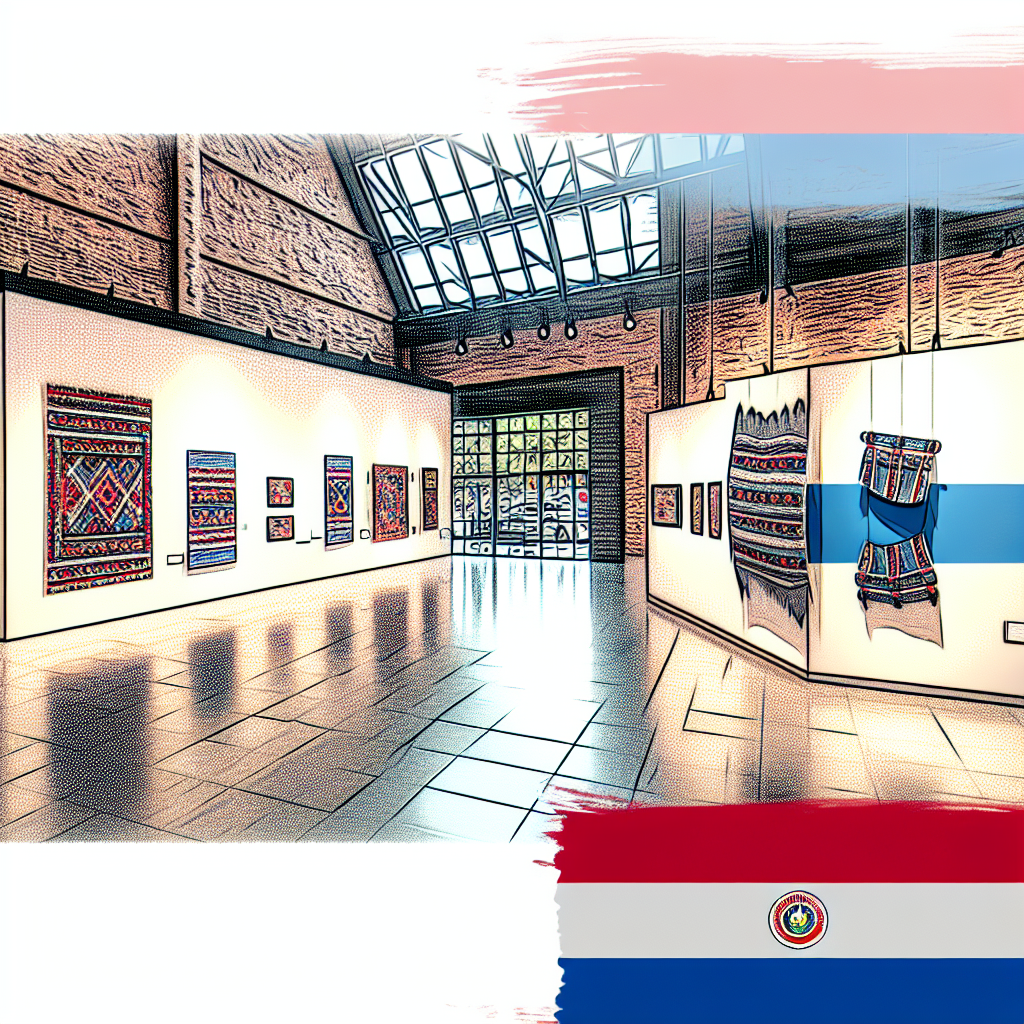
Paraguay's vibrant cultural scene is becoming an increasingly important factor in the global business community's perception of the nation. This article explores the economic implications of this cultural renaissance.